


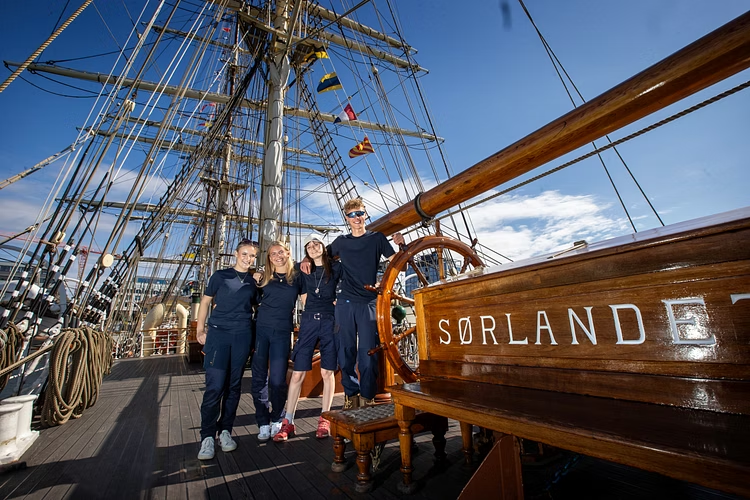
Get to know this year's students from Agder
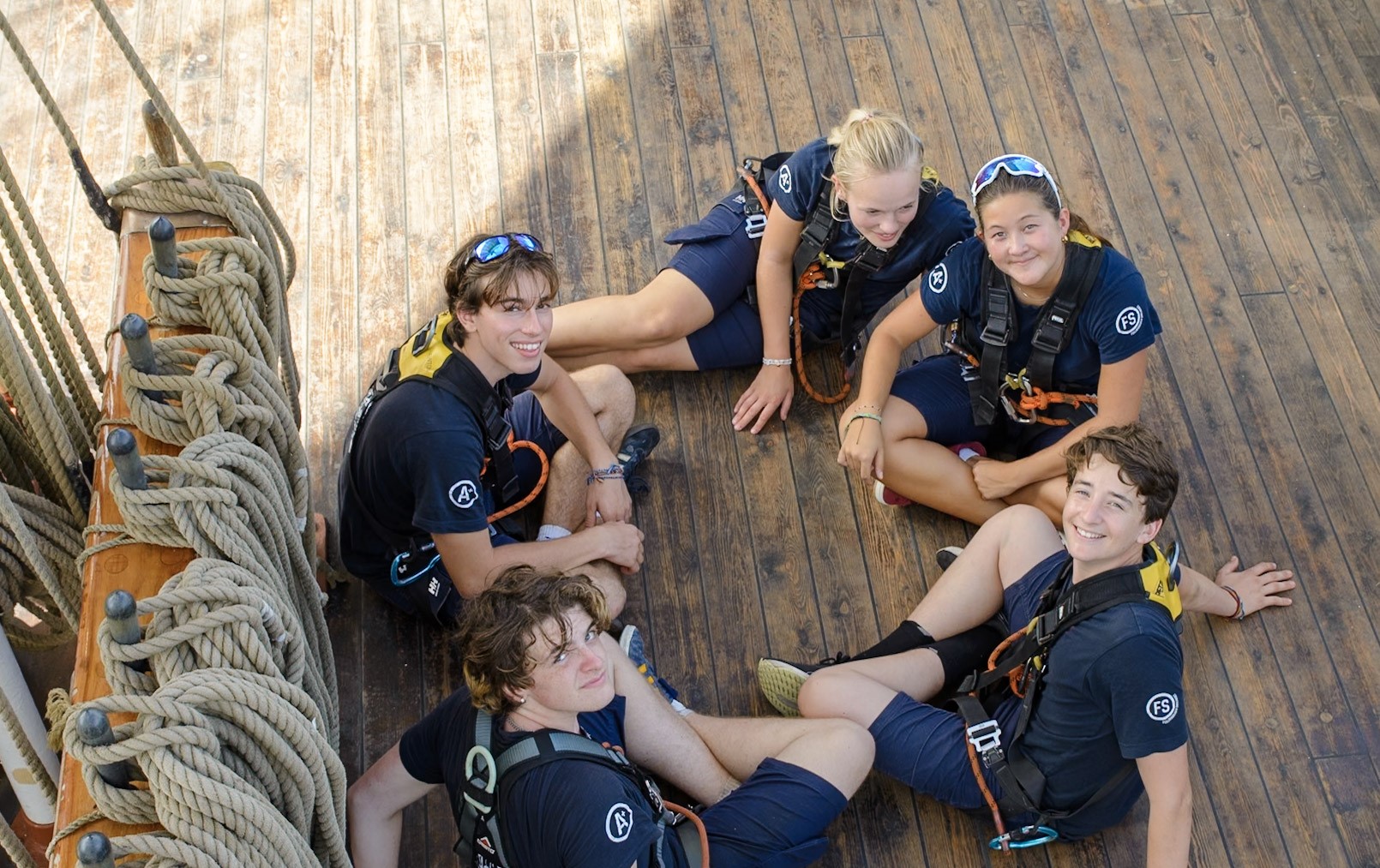
Fædrelandsvennen has written about students from Agder on board Sørlandet , and how they have experienced 9 months at sea.
The students will be on the trip for a little over 9 months in total, and during that time they will visit 17 different ports.
– The biggest challenge here is yourself. The whole boat can't adapt to one person, so you have to learn to adapt to the community, says Seierstad.
– We talk a lot about taking people into consideration, and how good people are at it. I am positively surprised by that, says Rogild.
Could you take a year of high school at sea?
For the students on board the school ship Sørlandet The day starts at 6:50 a.m. with morning washing.
The cleaning is carefully inspected every day.
– We cannot risk illness or viruses on board, so the washing requirements are strict, says Seierstad.
At half past seven in the morning there is breakfast, and at eight o'clock there is flag raising. Then it is a whirlwind of washing, teaching, and watches on deck. The students have both daytime and nighttime watches.
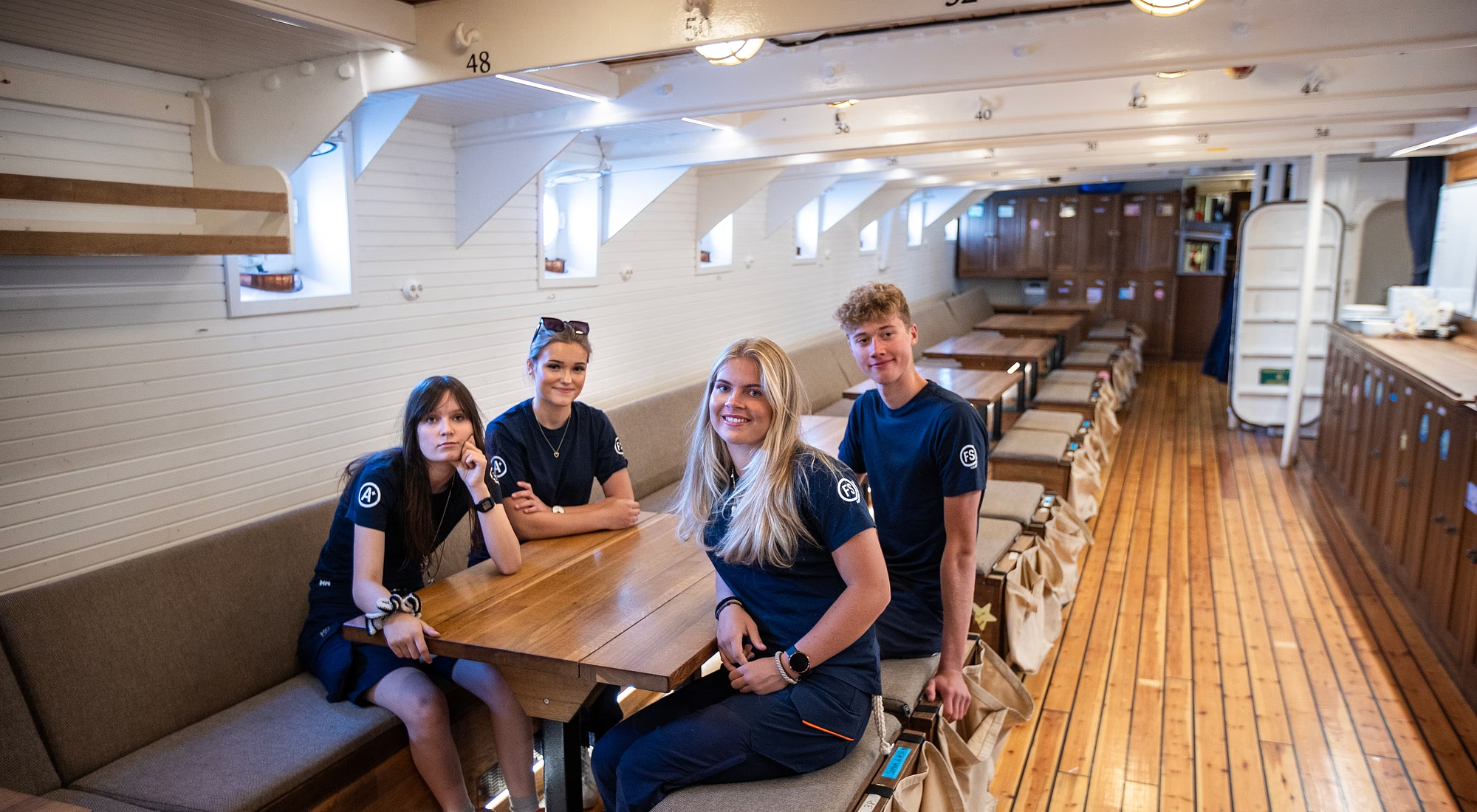
School life also offers very special experiences. The students travel to different places and receive education that is closely linked to the surroundings. Not only is the classroom on board a boat, it also functions as a dormitory. The beds are used as sofas in the lessons, and the students sleep either in hammocks or bunk beds.
– We have a large common area below deck that is divided into two sides. That's where we eat, have classes and sleep.
In the evening they hang up hammocks to sleep in, and in the morning the same room is converted into a dining area and classroom.
– That's where we are, if not on deck.
– Sometimes I have regretted it, but I know I would regret it more if I went home. I have become much more independent, and my parents notice it too, says Seierstad.
For students considering applying, she has one clear piece of advice:
– If you're unsure, just do it. Challenge yourself.
Read the full story on FVN here:
School year at sea: – The biggest challenge is yourself - fvn.no
The students were also interviewed by FVN shortly after they arrived on board. Sørlandet about half a year ago. Read the story here:
A different school year: – I hope I don't get seasick all year - fvn.no
.jpg)

.png)